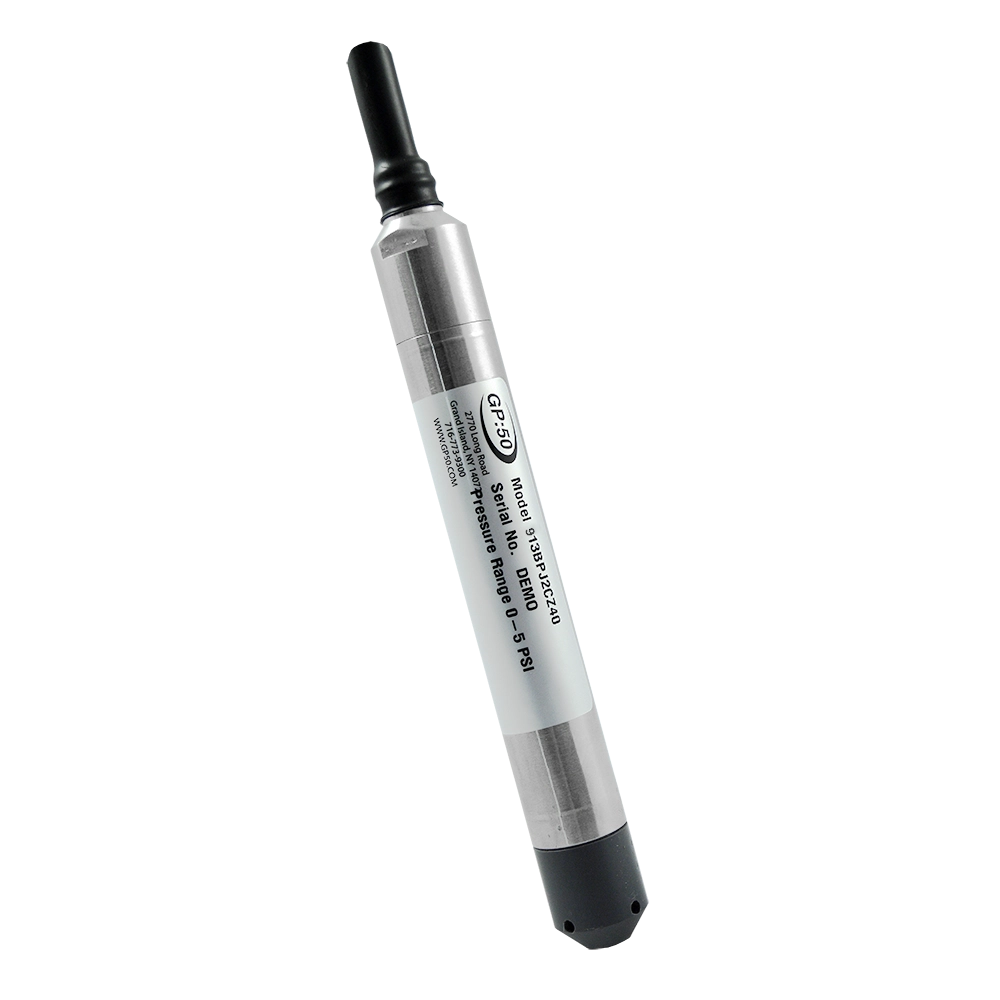
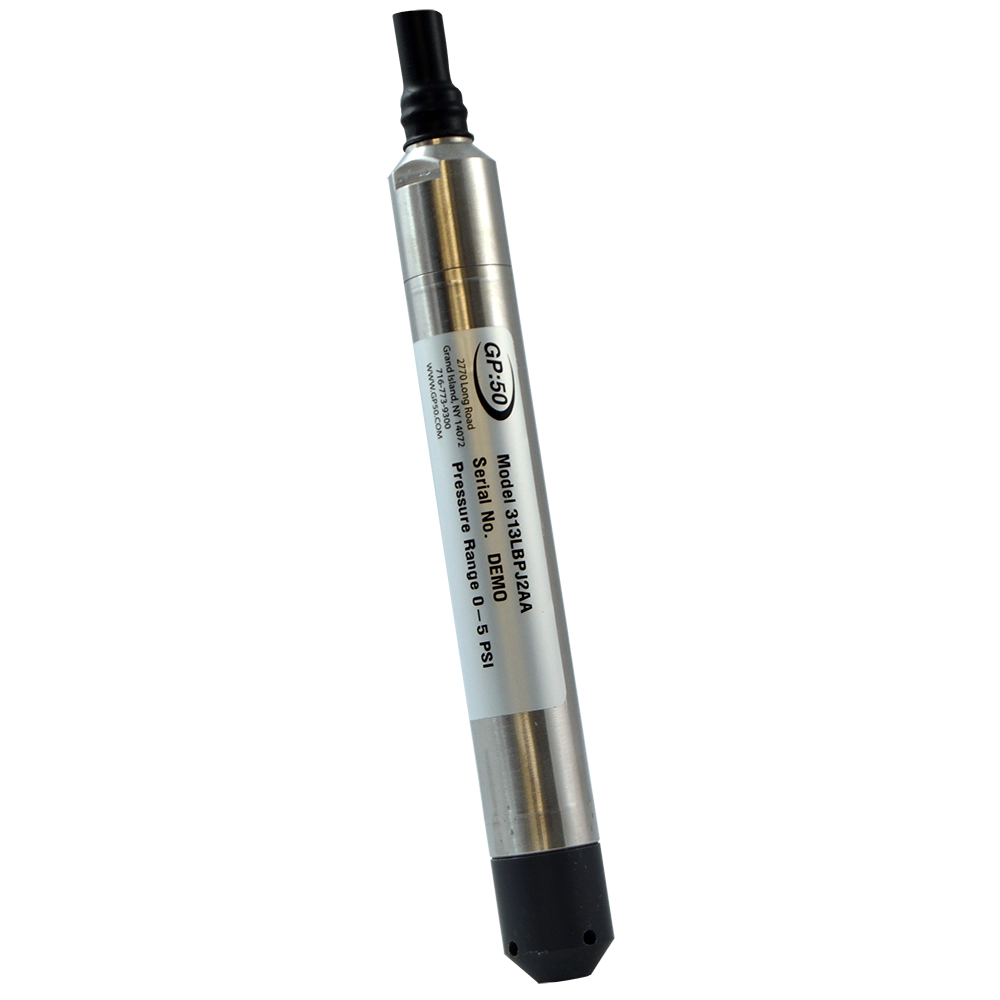
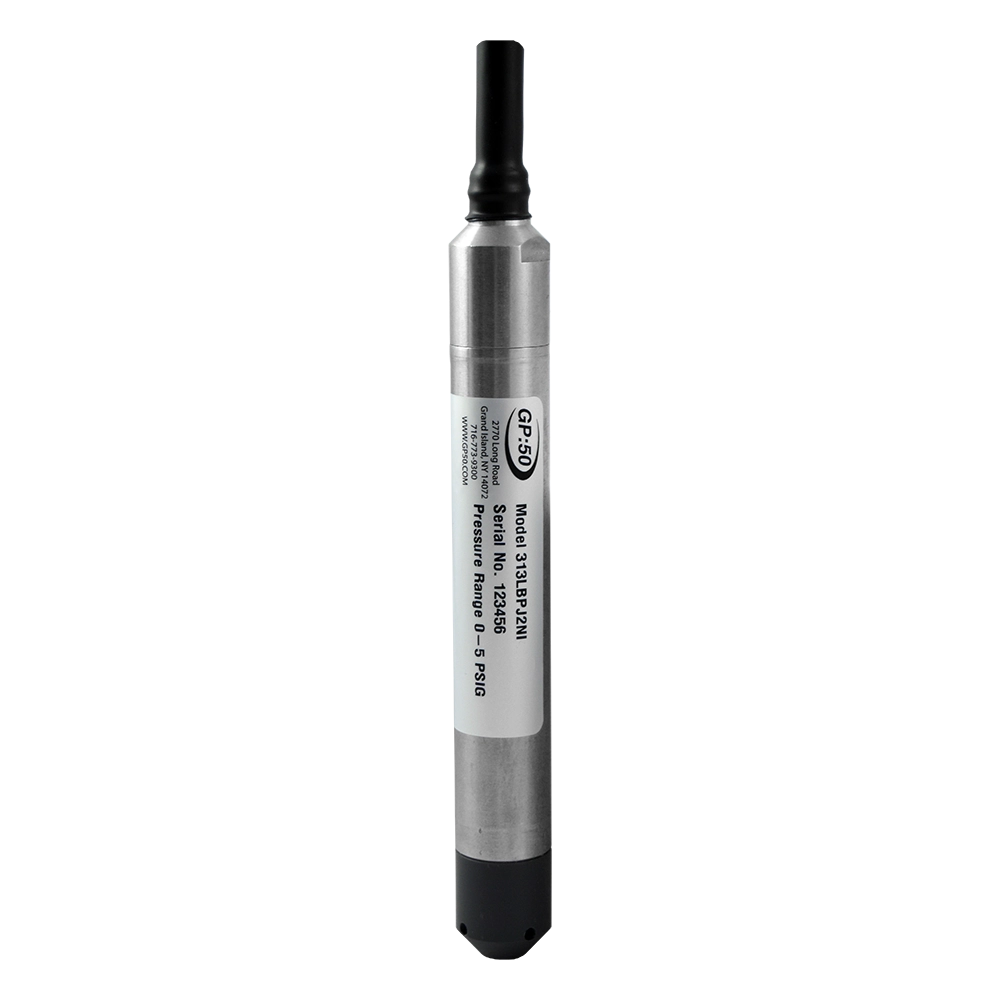
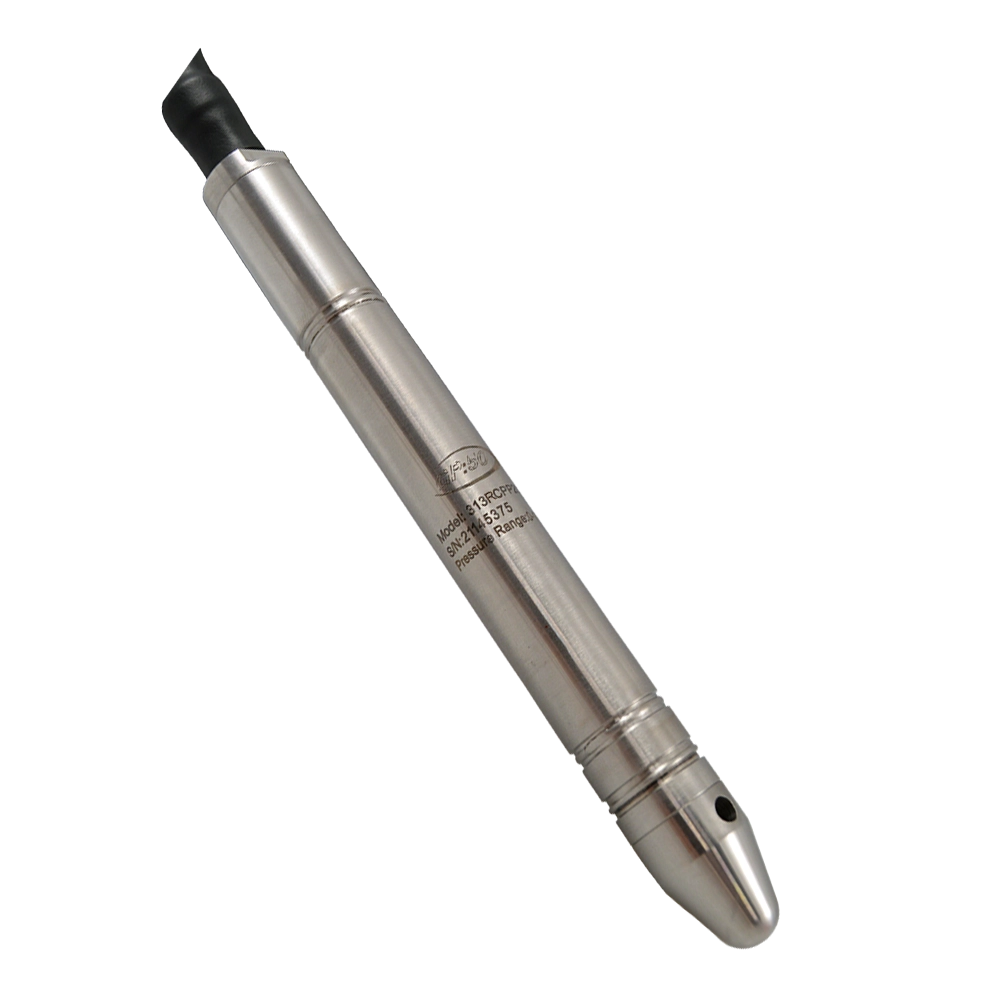
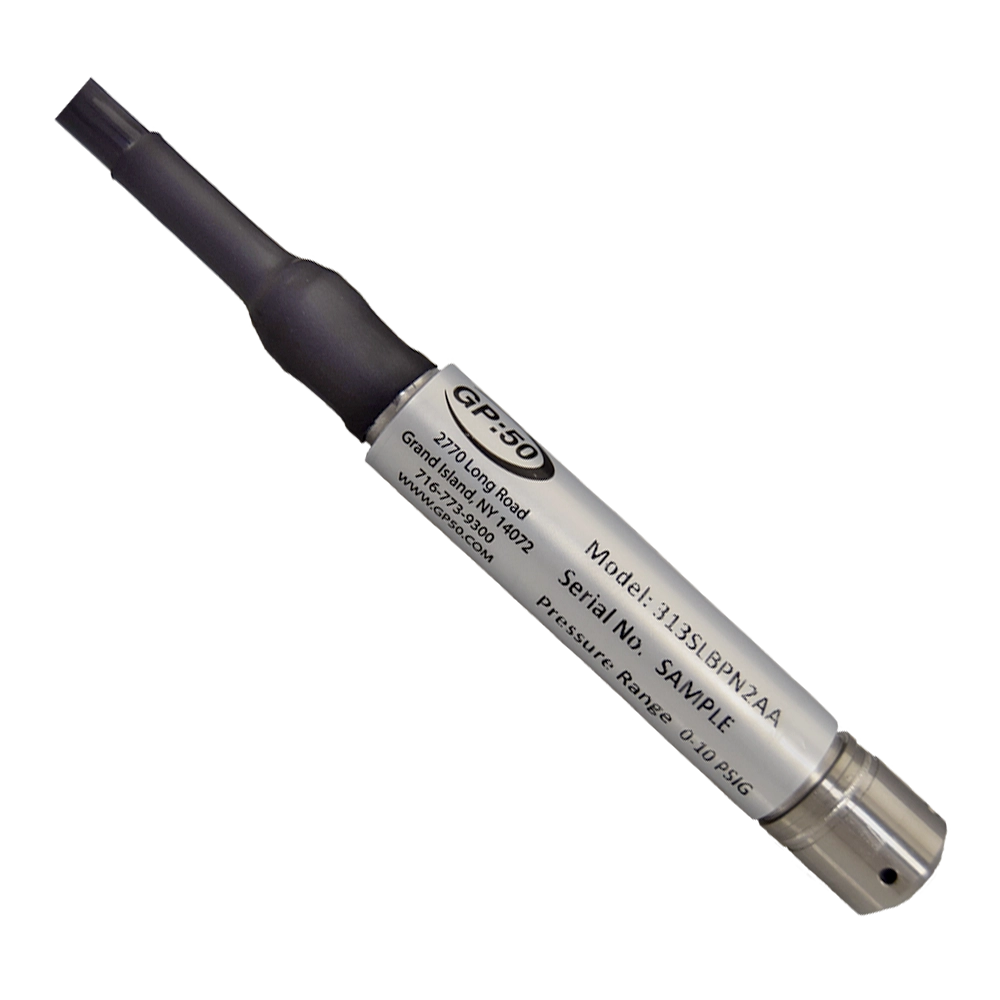
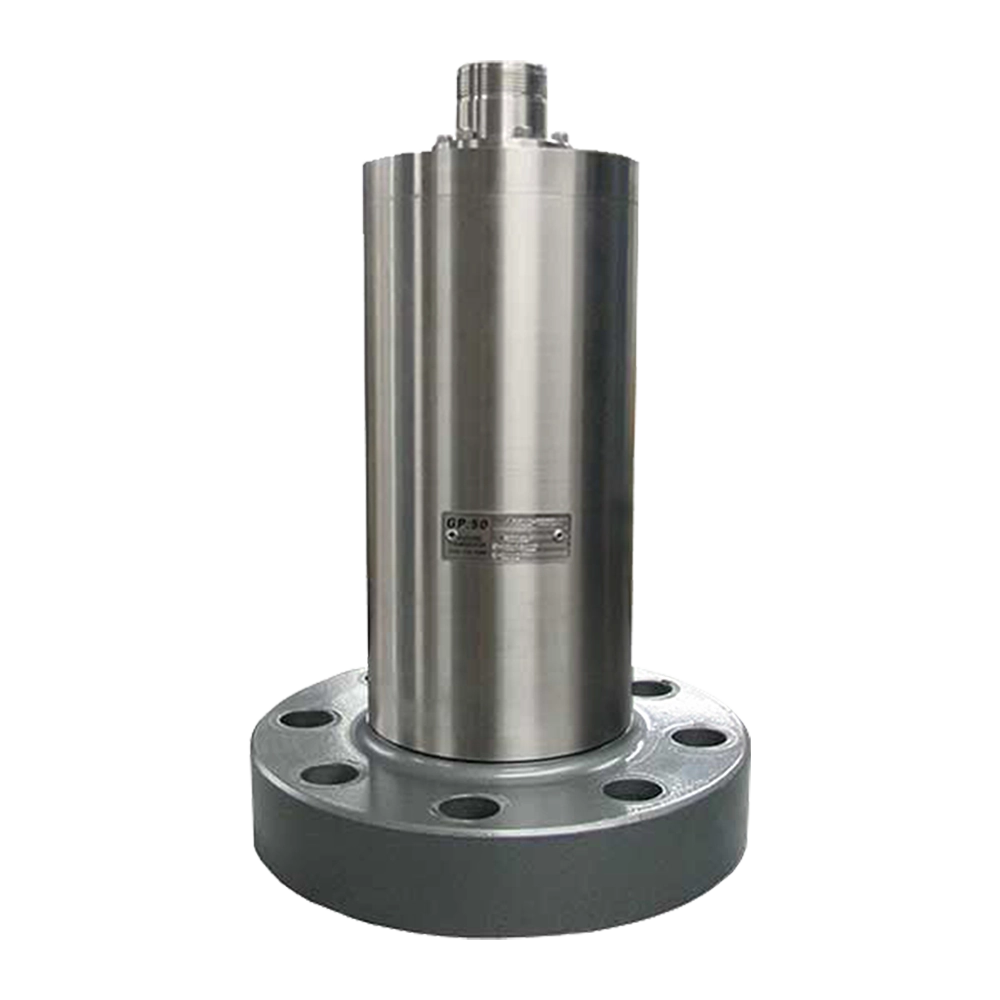
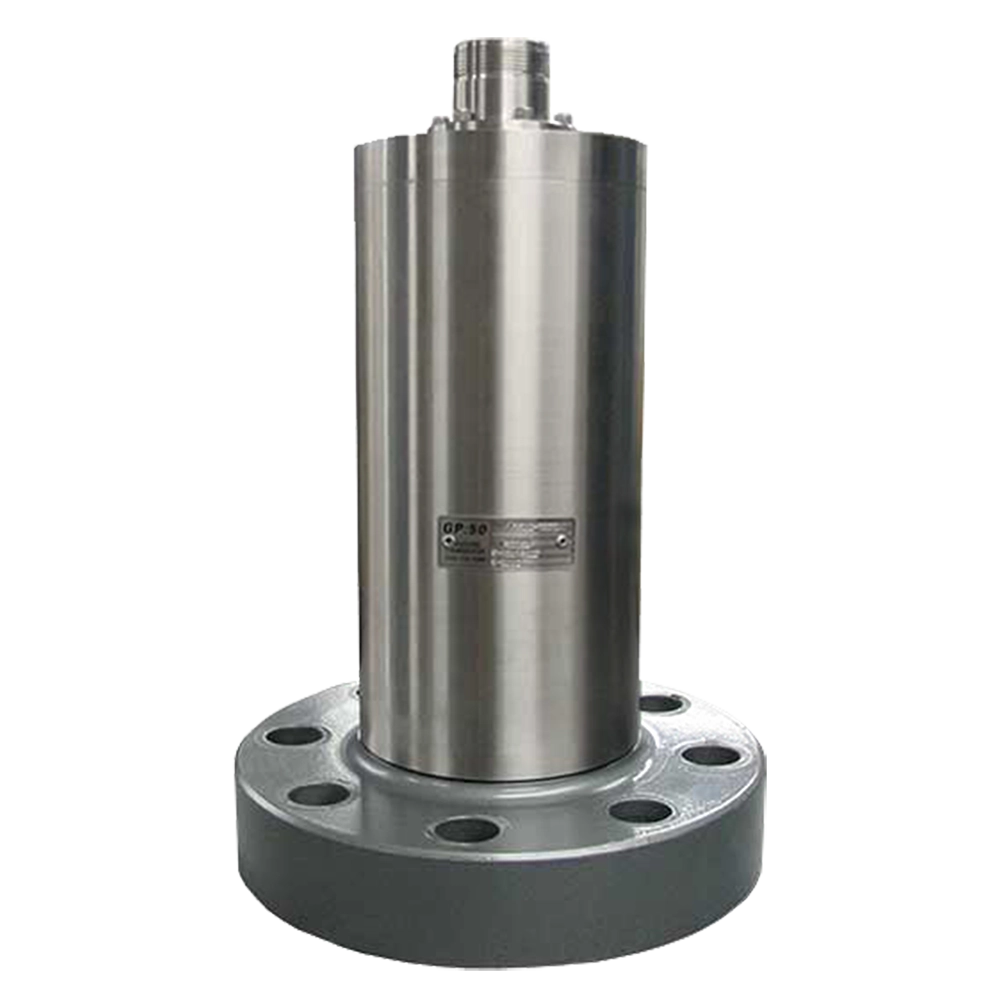
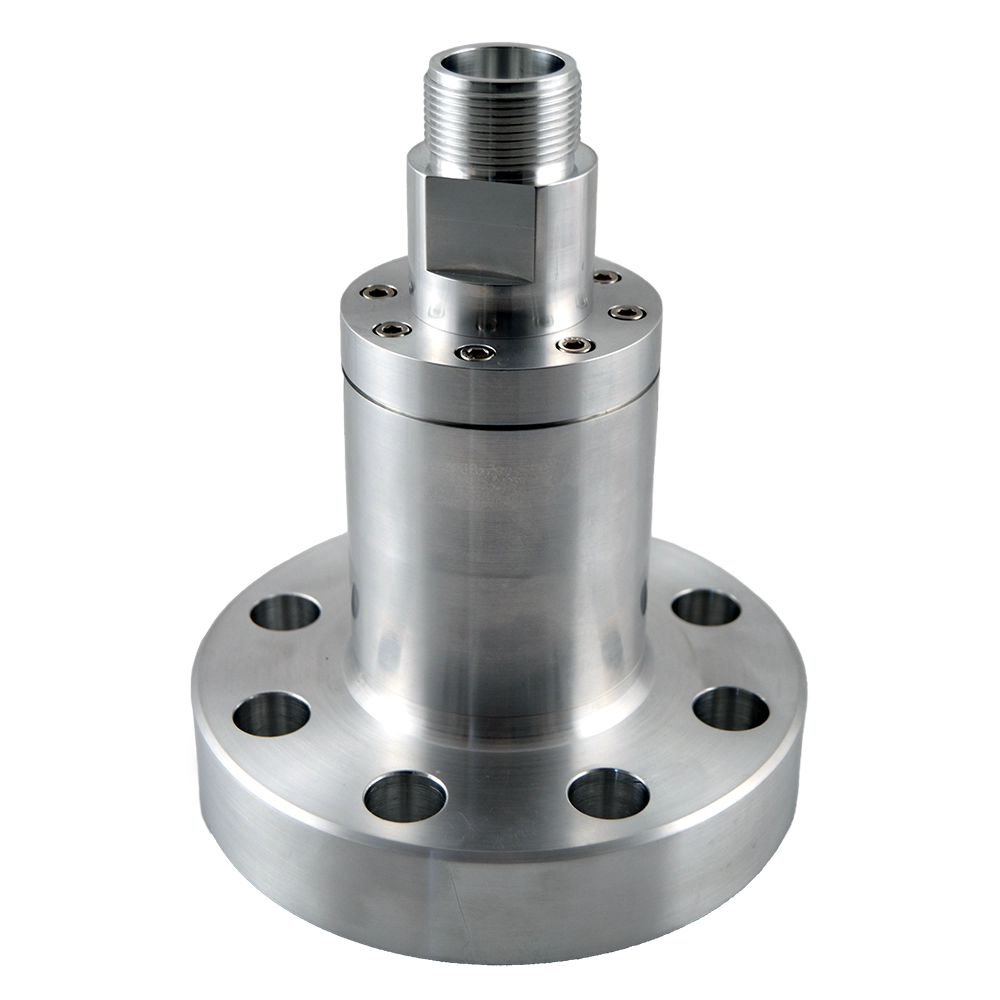
The Model 913 from GP:50 is a high-accuracy submersible level transmitter. It features an asynchronous serial communication output (SDI-12-v 1.3), typically used to monitor environmental data. This also allows for communication with compatible data loggers or data acquisition
systems. The incorporation of a hydrophobic breather vent ensures extended trouble-free service within demanding applications. These features, combined with the low power requirements of the Model 913, make it particularly ideal for remote well monitoring applications.
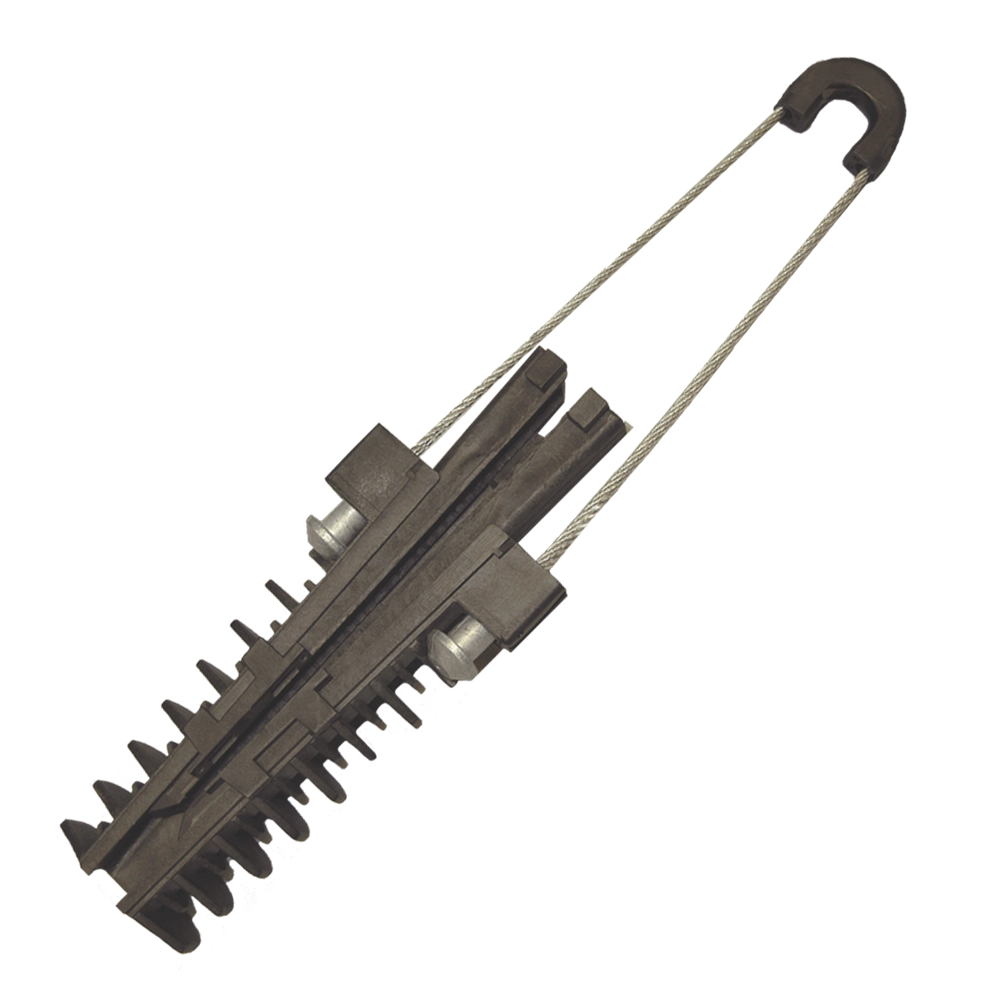
The Model BCH2000 Cable Hanger from GP:50 is designed to eliminate unnecessary stresses on the transmitter while installed in the application. Affordably priced, the BCH2000 Cable Hanger is designed for easy installation within a variety of environments.
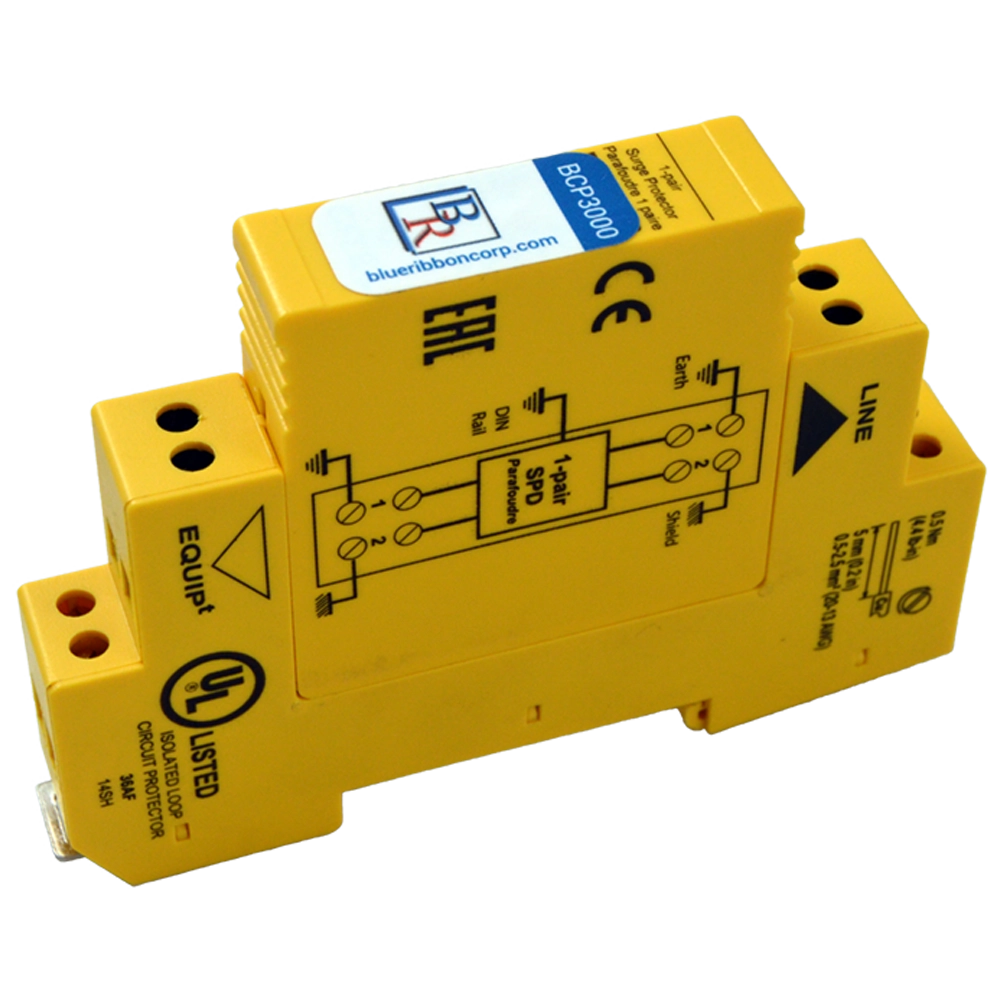
• Lifetime warranty against lightning and voltage surges for
Model 311-M351 (4-20 mA only) • 13mm DIN rail mount chassis
• Replaceable surge module • UL 479B listed • Multiple ground options • High current gas discharge tubes (GDT) • Fast response Surge-Arresting Diode (SAD)
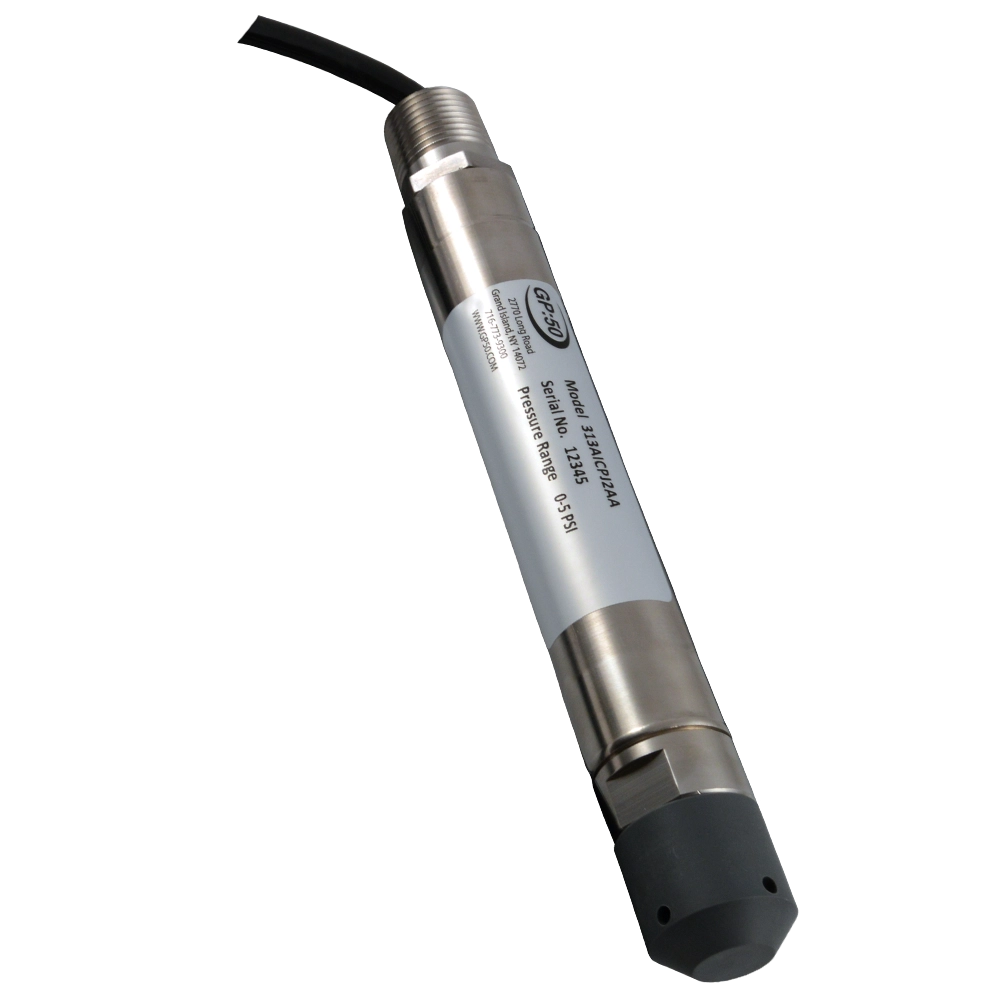
Model 313AI Submersible Level Transmitter for Hazardous Locations from GP:50 is an ATEX intrinsically safe submersible level transmitter, providing high-accuracy level measurements for hazardous locations. The corrosion-resistant 316L stainless steel construction, integrated lightning suppression and hydrophobic breather vent help provide years of maintenance-free service.
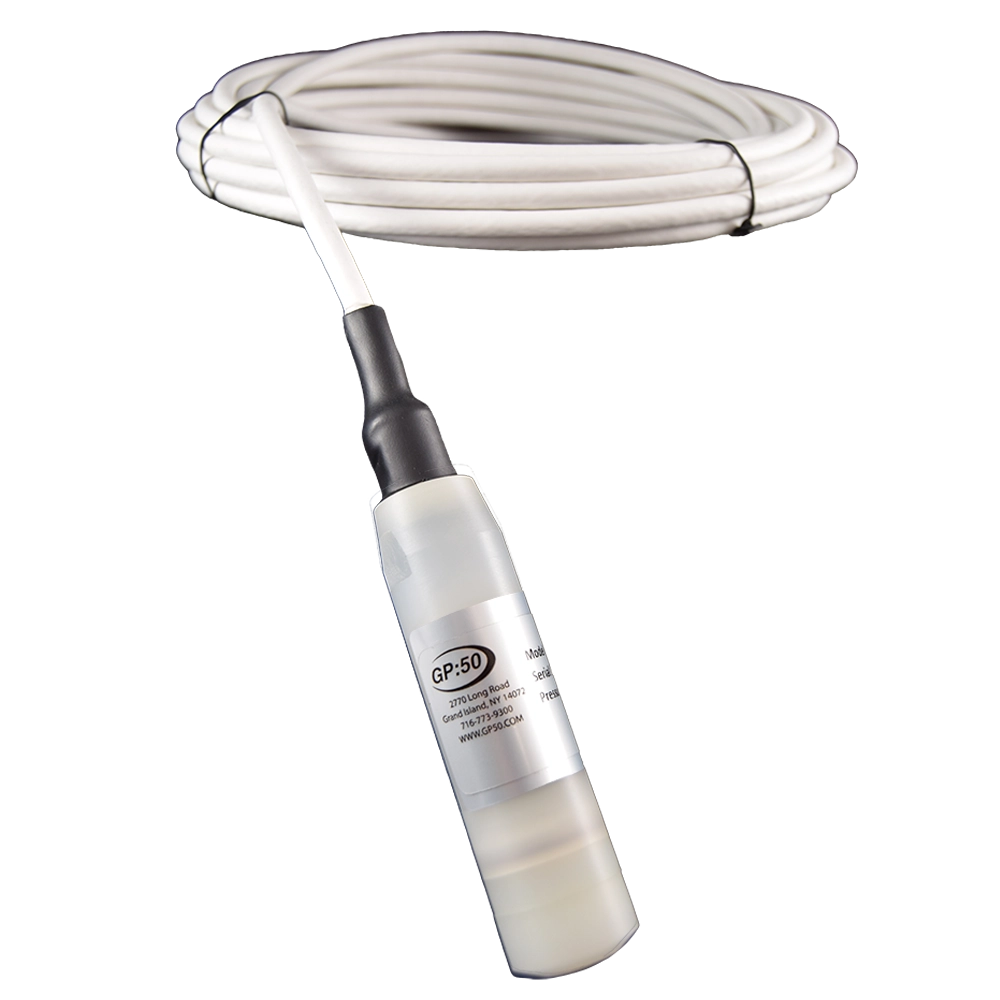
Model 313L Submersible Weir, Well, Pond or Tank Level Transmitter from GP:50 is a line of highly accurate and reliable submersible level transmitters. The corrosion-resistant 316L stainless steel construction, and an integrated hydrophobic breather vent help provide years of maintenance-free service.
Model 313L-NI Titanium Submersible Level Transmitter utilizes an all-titanium design to provide long term stability and continued performance under the harshest conditions, including corrosive and hazardous chemical applications. The slim design and high media resistance perform exceptionally well in down-hole applications that often have tight space constraints and caustic environmental conditions.
Model 313R Slim Submersible Level Transmitter has all the same features as our popular 313L but with a slim 0.622” (15.8 mm) diameter housing for those applications that have limited installation space. All GP:50 submersible level transmitters are built with a rugged leak-proof stainless steel construction, lightning surge protection and an integrated hydrophobic filter to provide accurate level measurement with years of corrosion free service for all types of level applications.
Model 313SL Slim Submersible Level Transmitter has all the same features as discontinued model 313S but with a slim 0.622” (15.8 mm) diameter and compact 3.4” housing for those applications that have limited installation space. All GP:50 submersible level transmitters are built with a rugged leak-proof stainless steel construction, lightning surge protection and an integrated hydrophobic filter to provide accurate level measurement with years of corrosion free service for all types of level applications.
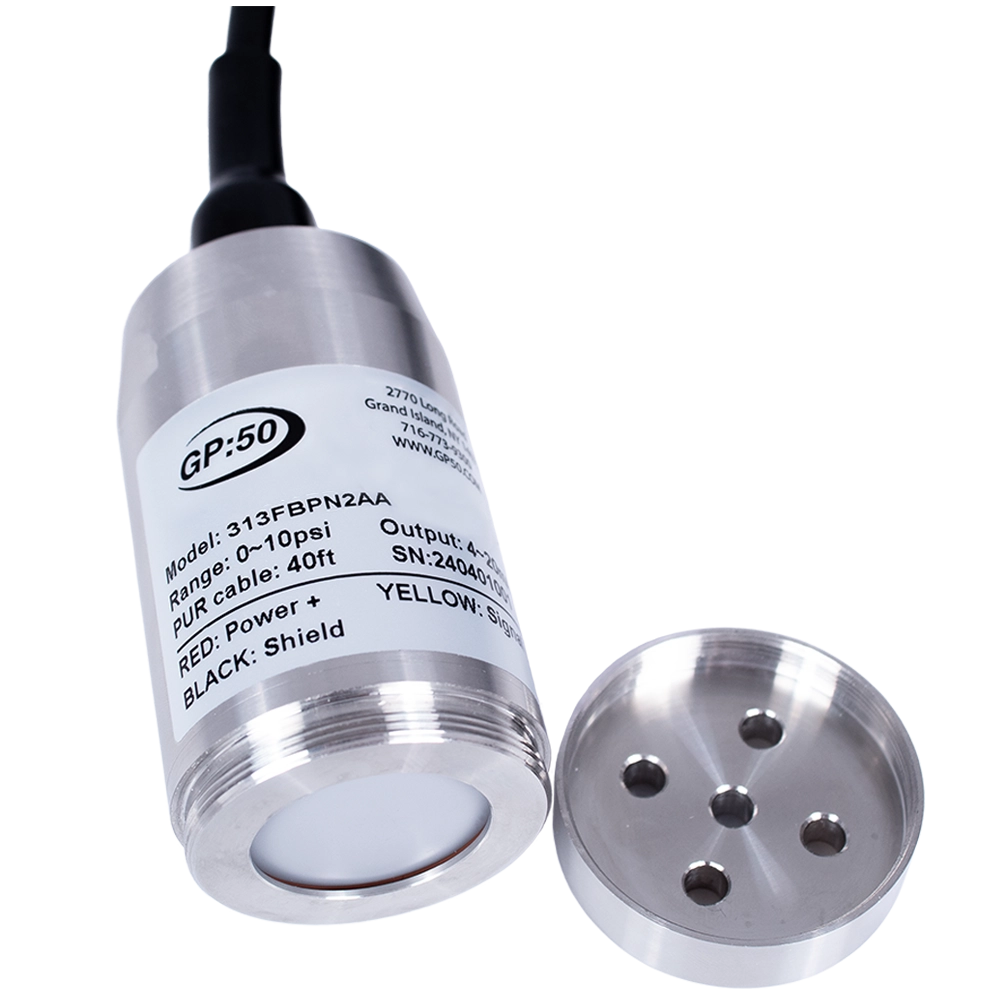
The Model 313F Flush Submersible Level Transmitter utilizes a 1.06” flush ceramic diaphragm that inhibits grease and biosolid buildup typically found in water treatment level applications. This flush ceramic design saves cost by eliminating sensor clean-out found with many other non flush designs. The corrosion resistant 304SS construction, and an integrated hydrophobic breather vent help provide years of maintenance-free service.
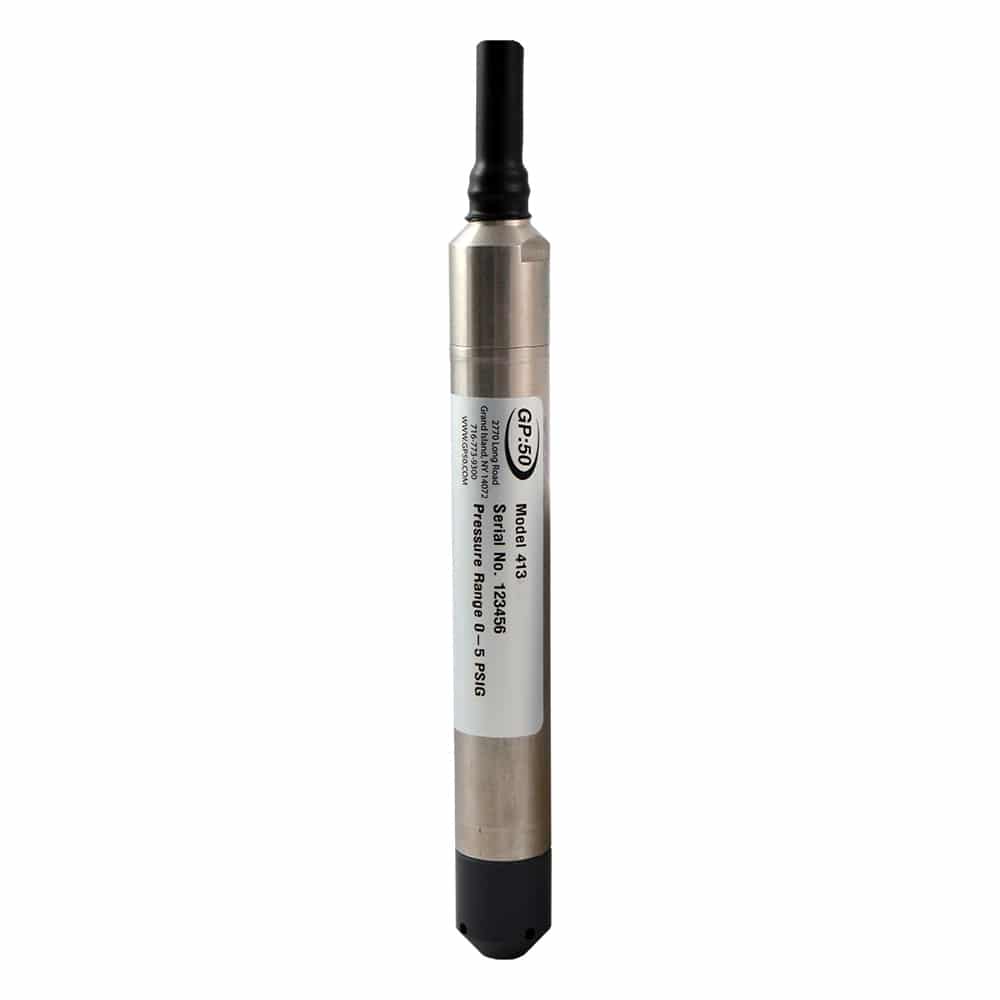
Model 413 Field Rangeable Level Transmitter from GP:50 is a line of field rangeable, highly accurate and reliable submersible level transmitters. The field adjustment option provides for zero and span adjustments as well as rangeability, eliminates the need to rescale your panel meter when replacing transmitters, and allows for fewer units to stock due to rangeability options. Their corrosion-resistant 316L stainless steel construction and an integrated hydrophobic breather vent help to provide years of maintenance free service life.
Model 313G Corrosion Resistant Level Transmitter from GP:50 utilizes an all PVDF housing (titanium housing optional) with ceramic sensing element to provide a highly corrosion resistant level sensor. This series provides reliable performance in hazardous environments with aggressive chemicals for years of trouble free service.
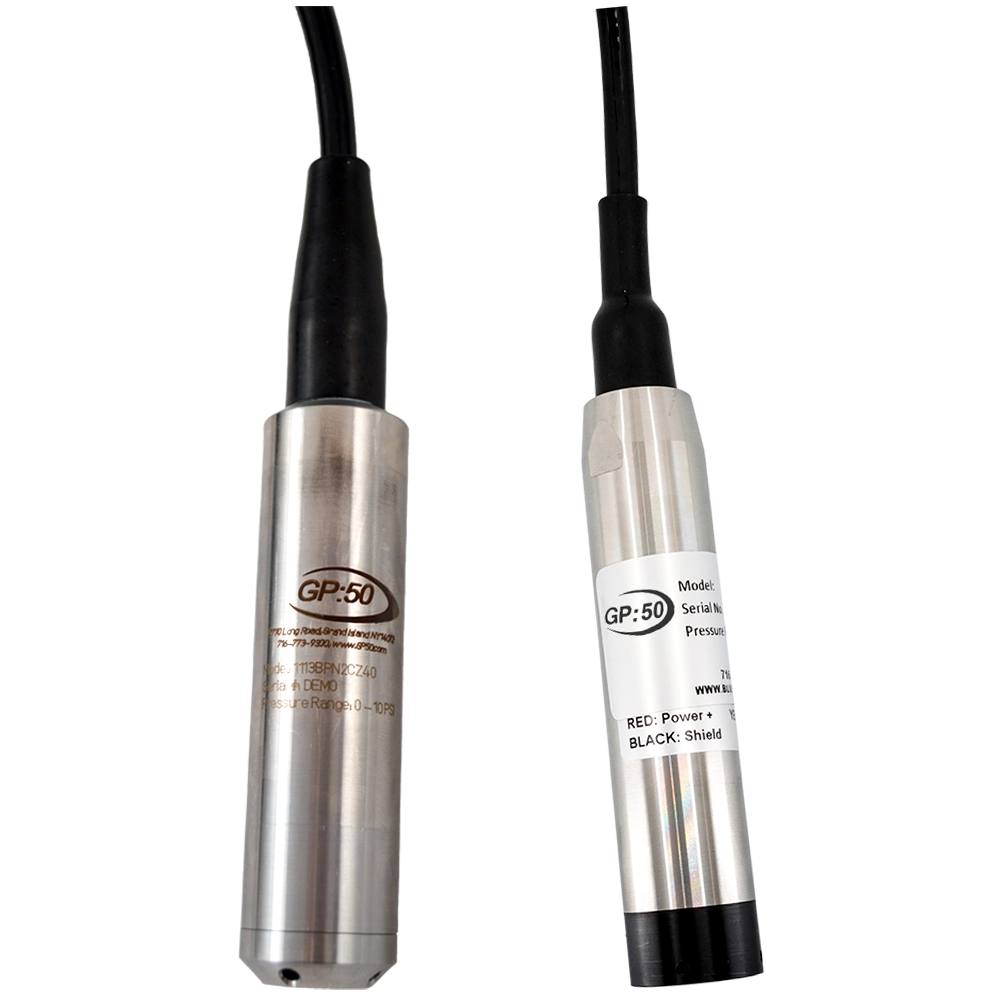
Model 1112/1113 Submersible Level Transmitter with Sludge Nose from GP:50 is a family of submersible level transmitters, designed to provide high-accuracy measurements at a competitive price point. They are offered with an all stainless steel sensor with removeable sludge nose which allows for periodic maintenance and cleaning for extended corrosion-free service life.
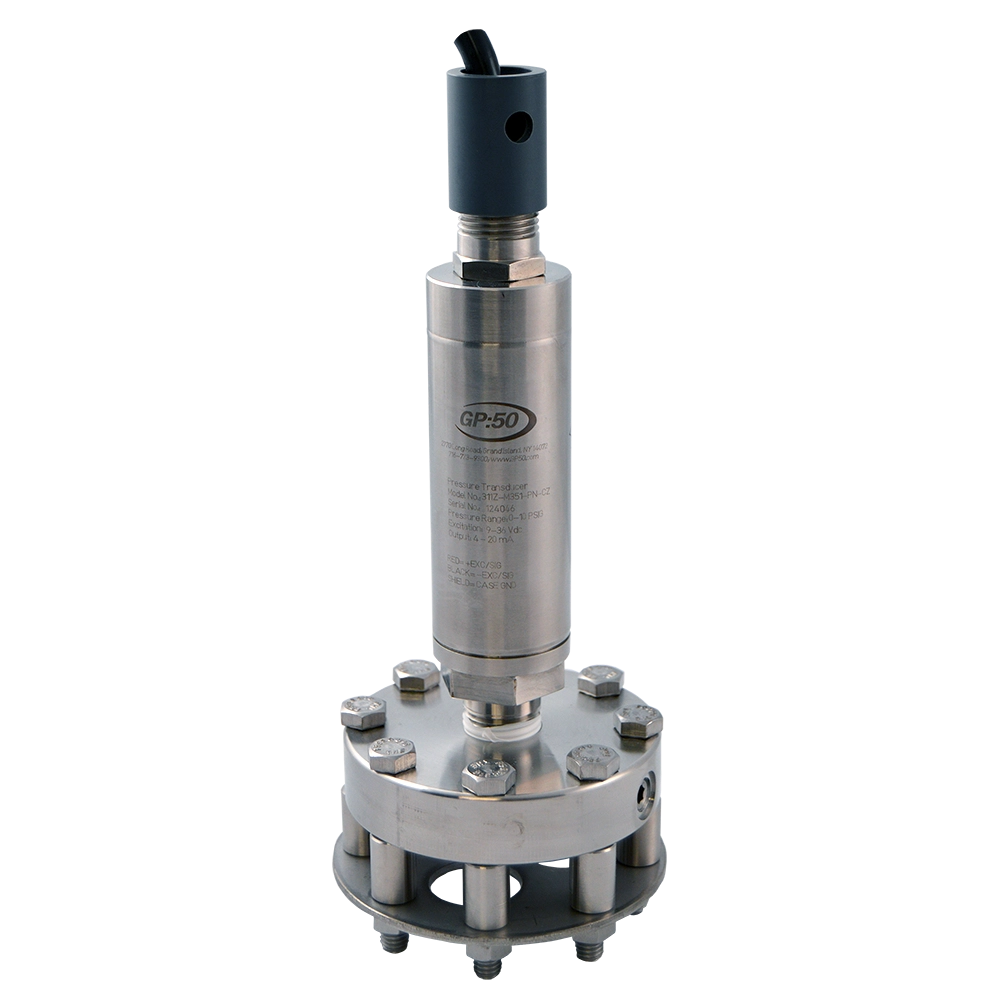
Model 311-M351 Submersible Lift Station Sludge Level Transmitter from GP:50 all stainless-steel design incorporates a 3-inch diameter clog-resistant sensing diaphragm and corrosion-resistant protective baffle plate. These features facilitate high-accuracy level measurements, even in heavy sludge conditions. This combination of durability and accuracy, along with over 25 years of proven field service, have helped make the GP:50 Model 311-M351 an industry gold standard for water and wastewater level monitoring.
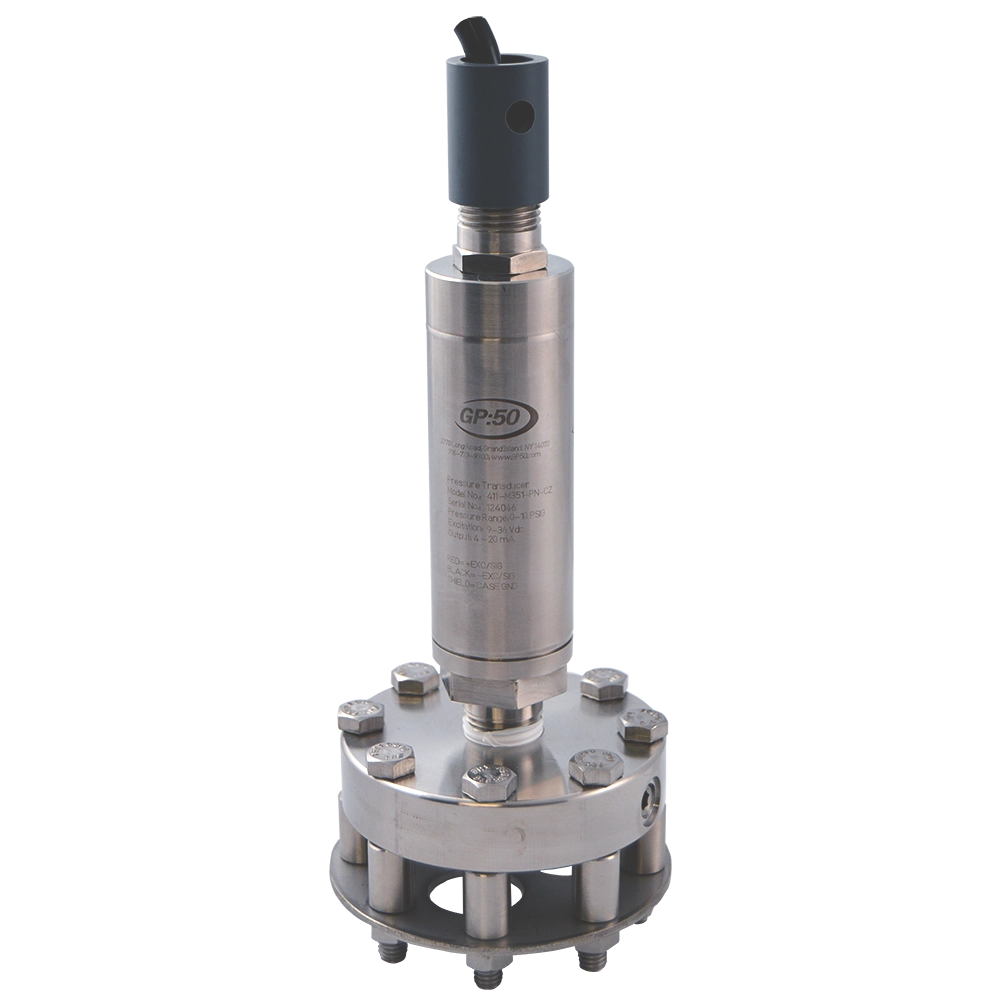
Model 411-M351 Field Rangeable Submersible Transmitter from GP:50 is a submersible lift station and sludge level transmitter with field adjustability. It’s all stainless-steel design incorporates a 3-inch diameter clog-resistant sensing diaphragm and corrosion resistant protective baffle plate. These features facilitate high accuracy level measurements, even in heavy sludge conditions. The field adjustment option provides for zero and span adjustments as well as rangeability. This field adjustable option eliminates need to rescale your panel meter when replacing transmitters and allows for fewer units to stock due to rangeability options. This combination of durability and accuracy, coupled with over 25 years of proven field service have helped make the GP:50 Model 411-M351 an industry gold standard for water and wastewater
level monitoring.
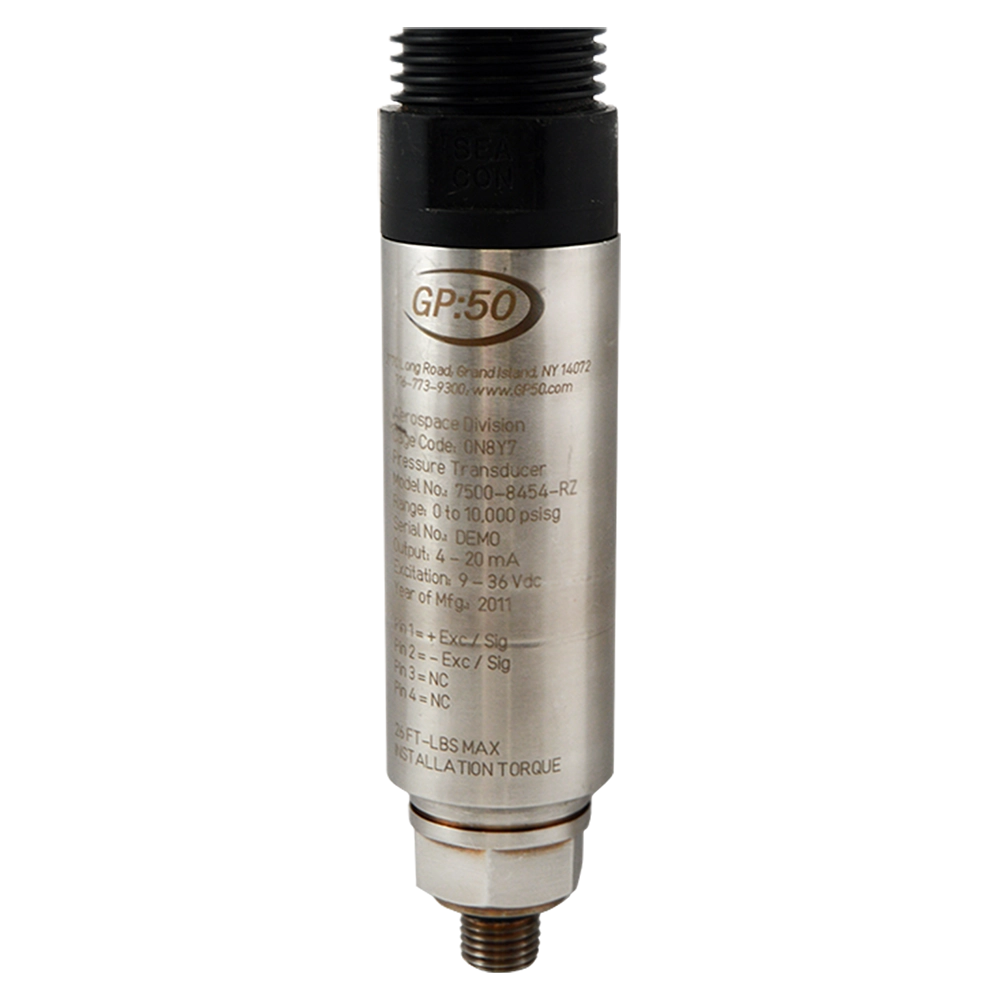
Model 7500 subsea pressure level transducer from GP:50 is a rugged, sub-sea rated pressure transducer, tested to 30,000 FT sea water. The highly corrosion resistant design meets the tough environmental challenges of offshore oil and gas, Naval and ROV applications. The high reliability of the Model 7500 is field proven over 25 years and hundreds of applications, including higher shock and vibration environments.
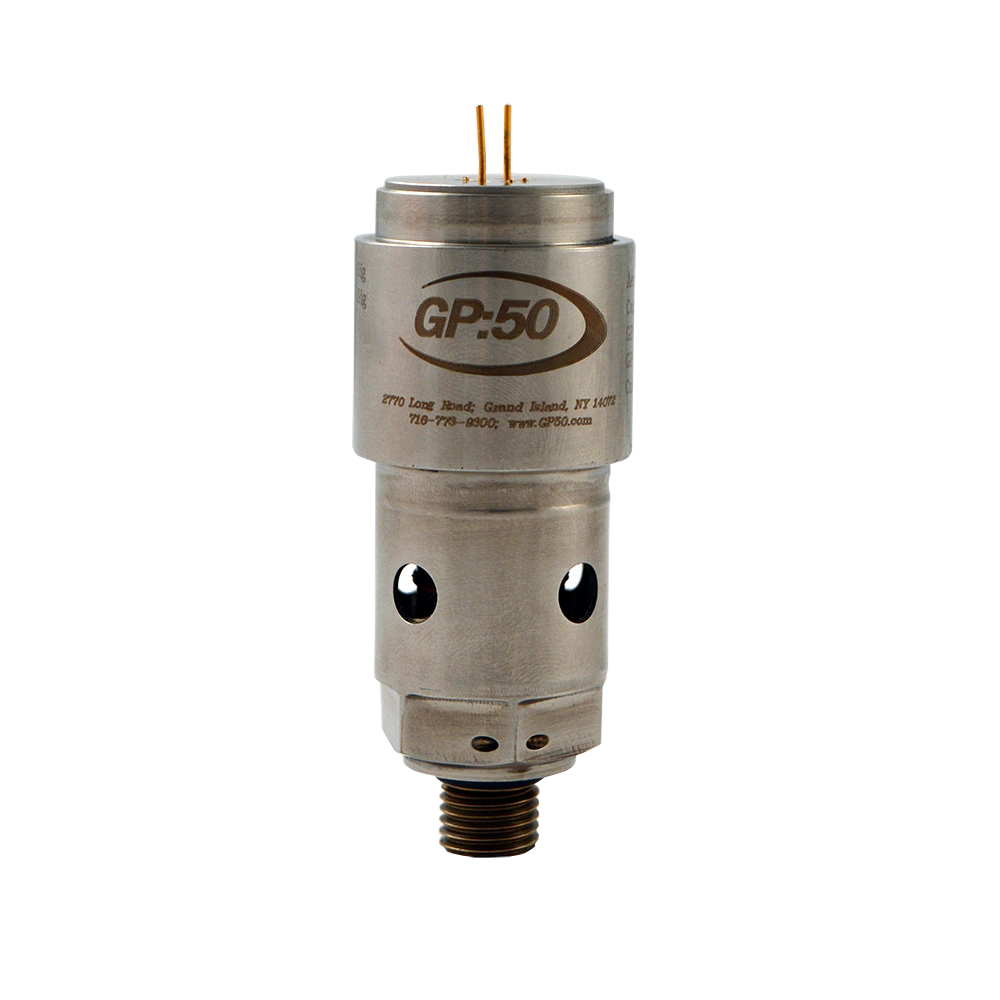
Model 7500-M254 ROV Subsea Pressure Transducer from GP:50 is a subsea pressure transducer, designed for use within remote or unmanned vehicles. Its open reference provides for sea depth pressure. When used in a non-conductive fluid bladder, the transducer also provides a gauge process pressure. In addition to ROV applications, the compact size and sea rated construction of the 7500-M254 make it ideal for the effective monitoring of subsea oilfield wellhead control systems.
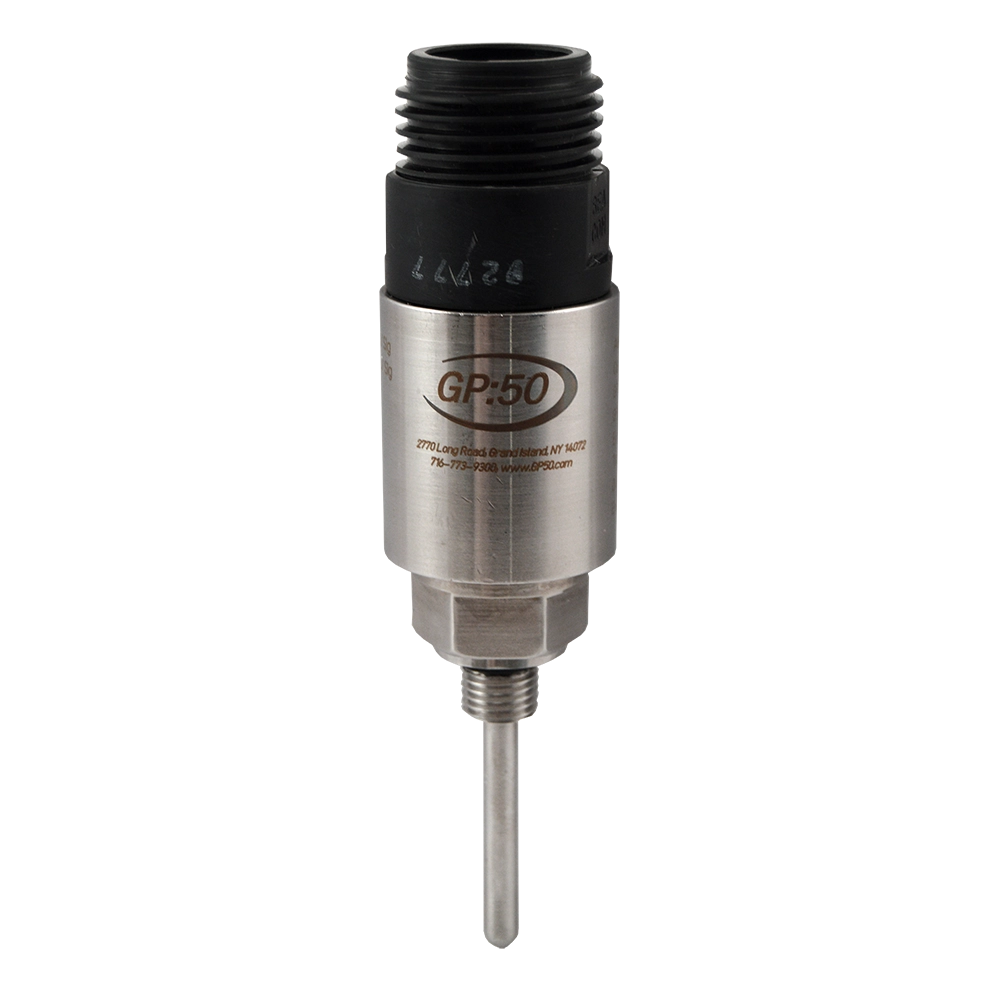
Model 7850 Subsea Temperature Transducer from GP:50 is a rugged,
sub-sea temperature transducer, tested to 30,000 FT sea water. The highly corrosion resistant design meets the tough environmental challenges of offshore oil and gas, Naval and ROV applications.
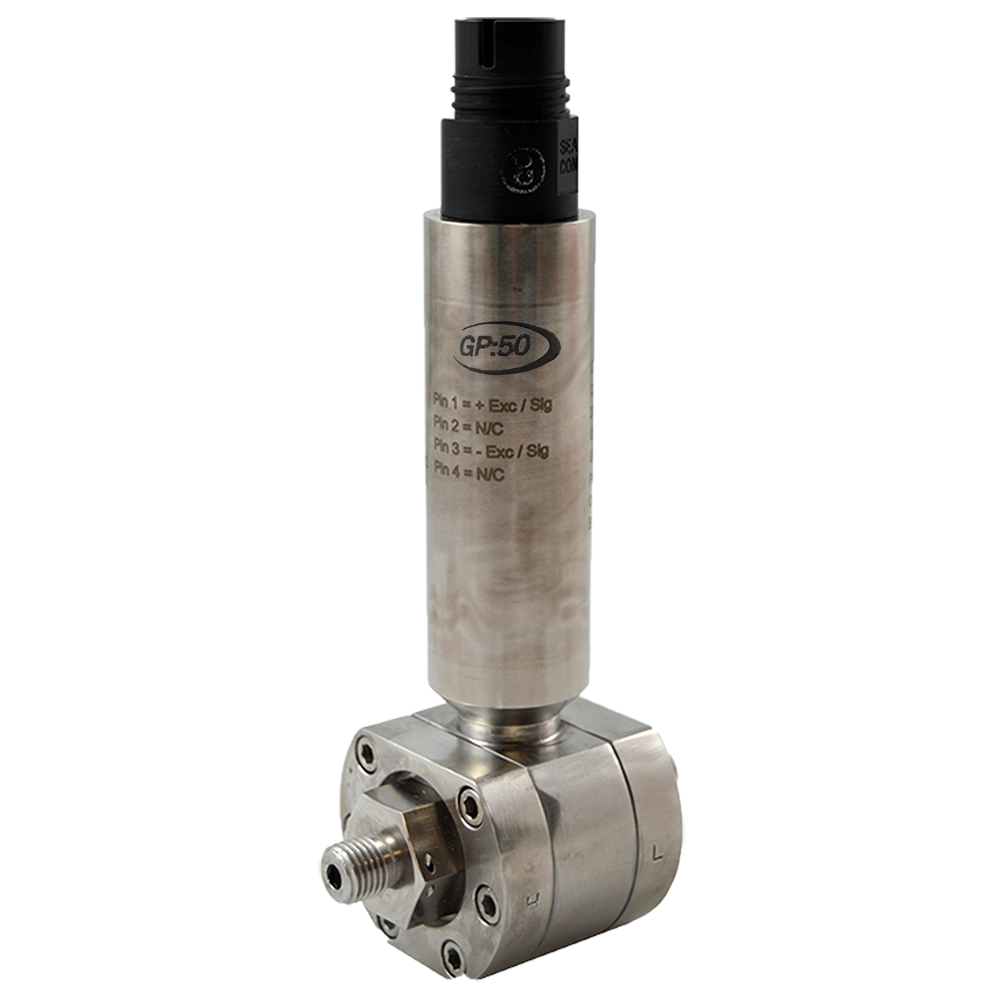
Model 7540 subsea marine service differential pressure transducer from GP:50 is a highly rugged differential pressure transducer, designed to address the tough environmental challenges of subsea and other marine service environments. It is designed for applications in which higher shock and vibration levels may be present providing high-reliability within extreme environments.
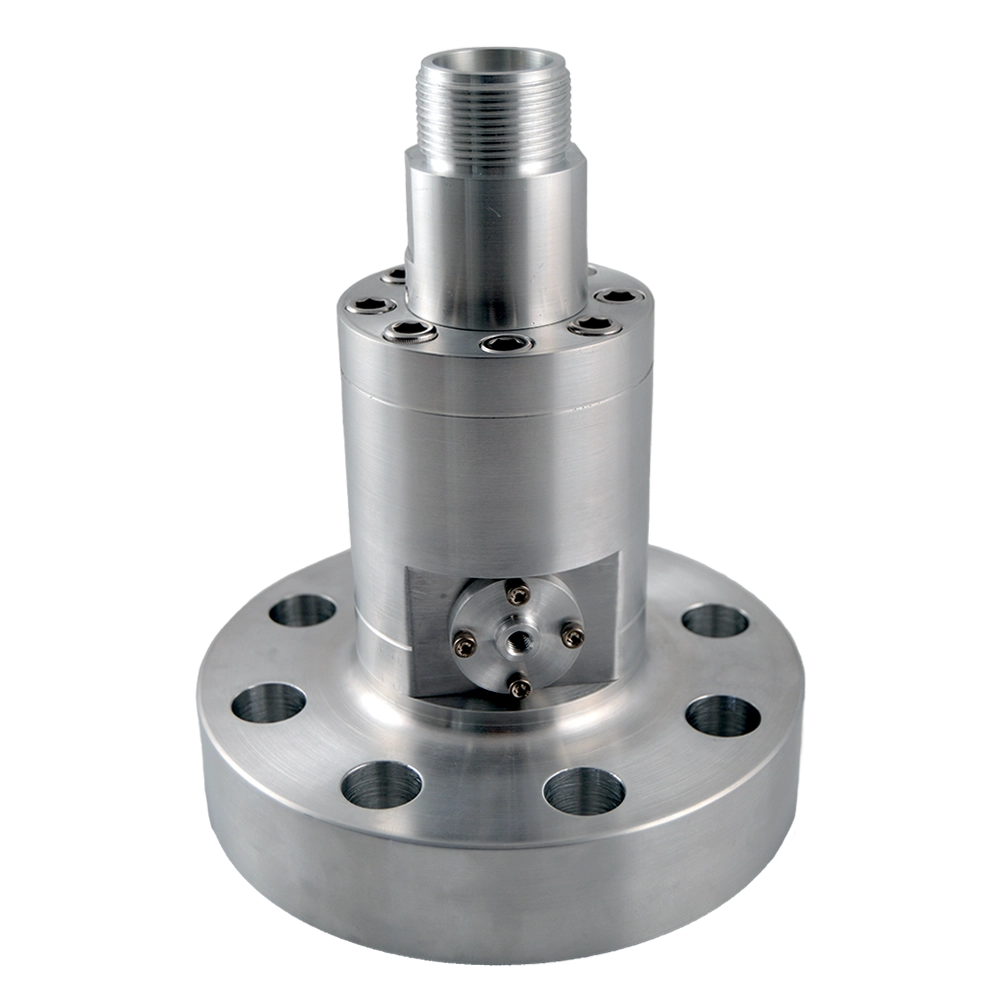
Model 7540-9000 Wellhead Subsea Pressure Transmitter Series from GP:50 is a high-accuracy subsea rated pressure transmitter with sea depth sensing reference offering more than 15 years of fieldproven pedigree. This Series features an API flanged process connection with Inconel inlay and all stainless steel housing with full seawater compatibility to 30K (9,144 M). The sea depth reference port provides either a differential output between the process pressure and sea depth, or a dual output between the process pressure and sea depth. A temperature output is also available.
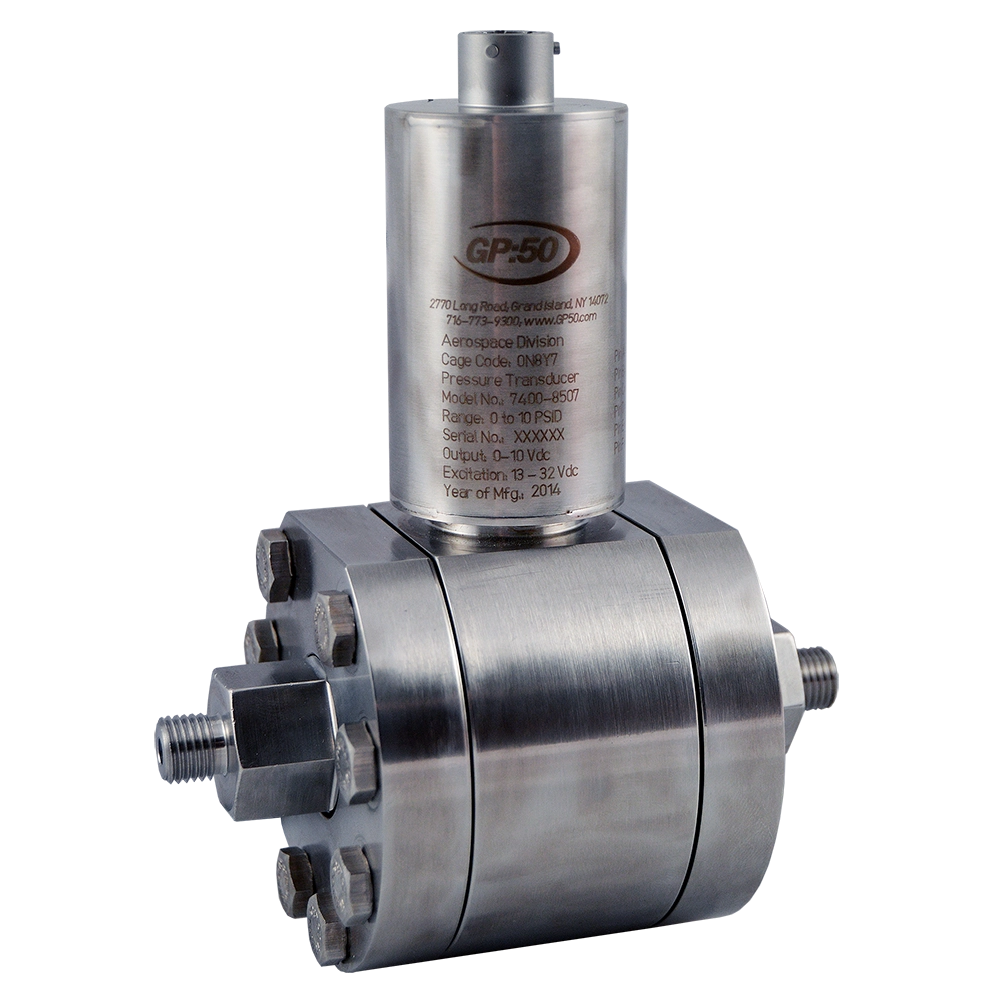
Model 7450 High Line – Low Range Aerospace Differential Pressure Transducer is available with static line pressure to 5,000 PSI. Differential ranges as low as 0-2.5” WCD and a 500 PSI proof pressure are standard on all ranges. A custom subsea rated design allows operation to 23,000 FT SW.
Model 7500-9000 Wellhead Subsea Pressure and Temperature Transmitter Series from GP:50 is a high accuracy pressure and temperature transmitter, offering more than 15 years of field-proven pedigree within subsea wellhead applications. The Series features a robust design with all stainless steel housings and wetted parts, full seawater submersibility to 30K ft (9,144 M) and an API flanged process connection. An optional redundant sensor provides backup pressure and temperature outputs, in the case of prime element failures or cabling issues. Optional HART communication protocols are available for remote measurements.
Model 7500-9100 API Flanged Subsea Pressure Transmitter Series from GP:50 is an API flanged, subsea pressure transmitter with over 20 years of field heritage. This Series features pressure ranges up to 20K PSI, seawater rating to 30K ft (9,144 M) and optional HART protocol allowing for field configuration. A removable sensor assembly option allows for field repairs as well as redundant sensors that provide field backup in case of a primary sensor failure.
Model 7501-9000 Wellhead Subsea Pressure Transmitter Series from GP:50 is a high-accuracy subsea rated pressure transmitter offering more than 15 years of field-proven pedigree. This Series features an API flanged process connection with Inconel inlay and all stainless steel housing with full seawater compatibility to 30K ft (9,144 M). Pressure ranges available from 0-500 through 0-30,000 psi with 4-20mA output or optional digital protocols.
This mode enables people with epilepsy to use the website safely by eliminating the risk of seizures that result from flashing or blinking animations and risky color combinations.
Visually Impaired Mode
Improves website's visuals
This mode adjusts the website for the convenience of users with visual impairments such as Degrading Eyesight, Tunnel Vision, Cataract, Glaucoma, and others.
Cognitive Disability Mode
Helps to focus on specific content
This mode provides different assistive options to help users with cognitive impairments such as Dyslexia, Autism, CVA, and others, to focus on the essential elements of the website more easily.
ADHD Friendly Mode
Reduces distractions and improve focus
This mode helps users with ADHD and Neurodevelopmental disorders to read, browse, and focus on the main website elements more easily while significantly reducing distractions.
Blindness Mode
Allows using the site with your screen-reader
This mode configures the website to be compatible with screen-readers such as JAWS, NVDA, VoiceOver, and TalkBack. A screen-reader is software for blind users that is installed on a computer and smartphone, and websites must be compatible with it.
Online Dictionary
Readable Experience
Content Scaling
Default
Text Magnifier
Readable Font
Dyslexia Friendly
Highlight Titles
Highlight Links
Font Sizing
Default
Line Height
Default
Letter Spacing
Default
Left Aligned
Center Aligned
Right Aligned
Visually Pleasing Experience
Dark Contrast
Light Contrast
Monochrome
High Contrast
High Saturation
Low Saturation
Adjust Text Colors
Adjust Title Colors
Adjust Background Colors
Easy Orientation
Mute Sounds
Hide Images
Hide Emoji
Reading Guide
Stop Animations
Reading Mask
Highlight Hover
Highlight Focus
Big Dark Cursor
Big Light Cursor
Cognitive Reading
Virtual Keyboard
Navigation Keys
Voice Navigation
Accessibility Statement
gp50.com
October 17, 2026
Compliance status
We firmly believe that the internet should be available and accessible to anyone, and are committed to providing a website that is accessible to the widest possible audience, regardless of circumstance and ability.
To fulfill this, we aim to adhere as strictly as possible to the World Wide Web Consortium’s (W3C) Web Content Accessibility Guidelines 2.1 (WCAG 2.1) at the AA level. These guidelines explain how to make web content accessible to people with a wide array of disabilities. Complying with those guidelines helps us ensure that the website is accessible to all people: blind people, people with motor impairments, visual impairment, cognitive disabilities, and more.
This website utilizes various technologies that are meant to make it as accessible as possible at all times. We utilize an accessibility interface that allows persons with specific disabilities to adjust the website’s UI (user interface) and design it to their personal needs.
Additionally, the website utilizes an AI-based application that runs in the background and optimizes its accessibility level constantly. This application remediates the website’s HTML, adapts Its functionality and behavior for screen-readers used by the blind users, and for keyboard functions used by individuals with motor impairments.
If you’ve found a malfunction or have ideas for improvement, we’ll be happy to hear from you. You can reach out to the website’s operators by using the following email [email protected].
Screen-reader and keyboard navigation
Our website implements the ARIA attributes (Accessible Rich Internet Applications) technique, alongside various different behavioral changes, to ensure blind users visiting with screen-readers are able to read, comprehend, and enjoy the website’s functions. As soon as a user with a screen-reader enters your site, they immediately receive a prompt to enter the Screen-Reader Profile so they can browse and operate your site effectively. Here’s how our website covers some of the most important screen-reader requirements, alongside console screenshots of code examples:
Screen-reader optimization: we run a background process that learns the website’s components from top to bottom, to ensure ongoing compliance even when updating the website. In this process, we provide screen-readers with meaningful data using the ARIA set of attributes. For example, we provide accurate form labels; descriptions for actionable icons (social media icons, search icons, cart icons, etc.); validation guidance for form inputs; element roles such as buttons, menus, modal dialogues (popups), and others. Additionally, the background process scans all of the website’s images and provides an accurate and meaningful image-object-recognition-based description as an ALT (alternate text) tag for images that are not described. It will also extract texts that are embedded within the image, using an OCR (optical character recognition) technology. To turn on screen-reader adjustments at any time, users need only to press the Alt+1 keyboard combination. Screen-reader users also get automatic announcements to turn the Screen-reader mode on as soon as they enter the website.
These adjustments are compatible with all popular screen readers, including JAWS and NVDA.
Keyboard navigation optimization: The background process also adjusts the website’s HTML, and adds various behaviors using JavaScript code to make the website operable by the keyboard. This includes the ability to navigate the website using the Tab and Shift+Tab keys, operate dropdowns with the arrow keys, close them with Esc, trigger buttons and links using the Enter key, navigate between radio and checkbox elements using the arrow keys, and fill them in with the Spacebar or Enter key.Additionally, keyboard users will find quick-navigation and content-skip menus, available at any time by clicking Alt+1, or as the first elements of the site while navigating with the keyboard. The background process also handles triggered popups by moving the keyboard focus towards them as soon as they appear, and not allow the focus drift outside of it.
Users can also use shortcuts such as “M” (menus), “H” (headings), “F” (forms), “B” (buttons), and “G” (graphics) to jump to specific elements.
Disability profiles supported in our website
Epilepsy Safe Mode: this profile enables people with epilepsy to use the website safely by eliminating the risk of seizures that result from flashing or blinking animations and risky color combinations.
Visually Impaired Mode: this mode adjusts the website for the convenience of users with visual impairments such as Degrading Eyesight, Tunnel Vision, Cataract, Glaucoma, and others.
Cognitive Disability Mode: this mode provides different assistive options to help users with cognitive impairments such as Dyslexia, Autism, CVA, and others, to focus on the essential elements of the website more easily.
ADHD Friendly Mode: this mode helps users with ADHD and Neurodevelopmental disorders to read, browse, and focus on the main website elements more easily while significantly reducing distractions.
Blindness Mode: this mode configures the website to be compatible with screen-readers such as JAWS, NVDA, VoiceOver, and TalkBack. A screen-reader is software for blind users that is installed on a computer and smartphone, and websites must be compatible with it.
Keyboard Navigation Profile (Motor-Impaired): this profile enables motor-impaired persons to operate the website using the keyboard Tab, Shift+Tab, and the Enter keys. Users can also use shortcuts such as “M” (menus), “H” (headings), “F” (forms), “B” (buttons), and “G” (graphics) to jump to specific elements.
Additional UI, design, and readability adjustments
Font adjustments – users, can increase and decrease its size, change its family (type), adjust the spacing, alignment, line height, and more.
Color adjustments – users can select various color contrast profiles such as light, dark, inverted, and monochrome. Additionally, users can swap color schemes of titles, texts, and backgrounds, with over 7 different coloring options.
Animations – epileptic users can stop all running animations with the click of a button. Animations controlled by the interface include videos, GIFs, and CSS flashing transitions.
Content highlighting – users can choose to emphasize important elements such as links and titles. They can also choose to highlight focused or hovered elements only.
Audio muting – users with hearing devices may experience headaches or other issues due to automatic audio playing. This option lets users mute the entire website instantly.
Cognitive disorders – we utilize a search engine that is linked to Wikipedia and Wiktionary, allowing people with cognitive disorders to decipher meanings of phrases, initials, slang, and others.
Additional functions – we provide users the option to change cursor color and size, use a printing mode, enable a virtual keyboard, and many other functions.
Browser and assistive technology compatibility
We aim to support the widest array of browsers and assistive technologies as possible, so our users can choose the best fitting tools for them, with as few limitations as possible. Therefore, we have worked very hard to be able to support all major systems that comprise over 95% of the user market share including Google Chrome, Mozilla Firefox, Apple Safari, Opera and Microsoft Edge, JAWS and NVDA (screen readers), both for Windows and for MAC users.
Notes, comments, and feedback
Despite our very best efforts to allow anybody to adjust the website to their needs, there may still be pages or sections that are not fully accessible, are in the process of becoming accessible, or are lacking an adequate technological solution to make them accessible. Still, we are continually improving our accessibility, adding, updating and improving its options and features, and developing and adopting new technologies. All this is meant to reach the optimal level of accessibility, following technological advancements. For any assistance, please reach out to [email protected].